
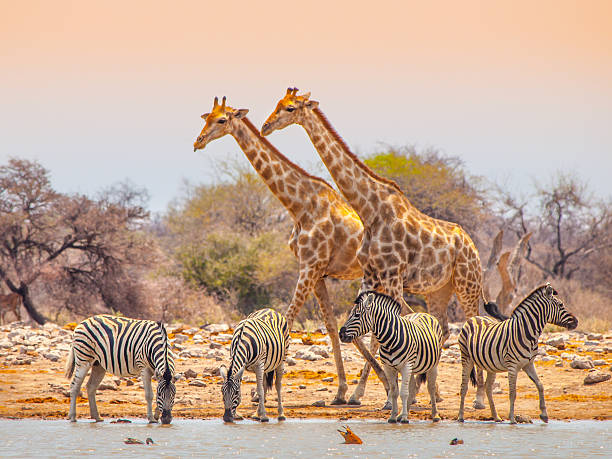
 The Wildlife Research and Training Institute (WRTI) and the Kenya Wildlife Service (KWS) have moved in to map out wildlife sanctuaries adversely affected by the ongoing drought. The exercise is meant to seek short-term solutions, including the supply of supplements and water to wildlife as the situation continues to worsen, raising fears of deaths in the coming days.This comes in the wake of a report by the National Drought Management Authority (NDMA) that 26 counties were affected by the drought, adversely affecting hundreds of livestock.
According to WRTI Director Dr Patrick Omondi, the institute was working with the State Department for Wildlife to identify hotspots and quick interventions. He said that during that study, they would come up with long-term recommendations to inform the handling of future droughts and flooding.
“The government has already commissioned us to spearhead the study, and once this is done, we shall determine if we shall supply water and supplements,” he said.
Omondi added that during the previous drought in 2022, the country lost species like gravy zebra in Samburu, adding that they were keen to stop this. The Director was addressing the press Institute after relocating to the newly opened wetland research center after the other one was flooded by the rising waters of Lake Naivasha.
“We were forced to close the center because of the rising water levels last year, evacuate staff, equipment, and also close the Hippo campsite,” he said.
Omondi added that the institute and partners would be conducting a six-month survey to determine the cause of rising waters, mainly in lakes around the Rift Valley. “We shall be working with experts, including geologists, and we shall give an advisory on what to do because these rising levels have led to the displacement of communities and wildlife,” he said. On his part, WRTI board Chairman Dr David Nkedianye said that KALRO had donated land for the new research centre after the previous one was closed down. “We shall be seeking a lasting solution in relocating the research centre following the rise in water levels in the lake, which has caused a lot of damage,” he said.
On drought, WRTI Nkedianye said that they were working with other State agencies on the current situation and would release a report in the coming days. “The drought has taken its toll on wildlife, and we are undertaking studies to identify the most affected areas and species with a view to addressing the situation,” he said.