
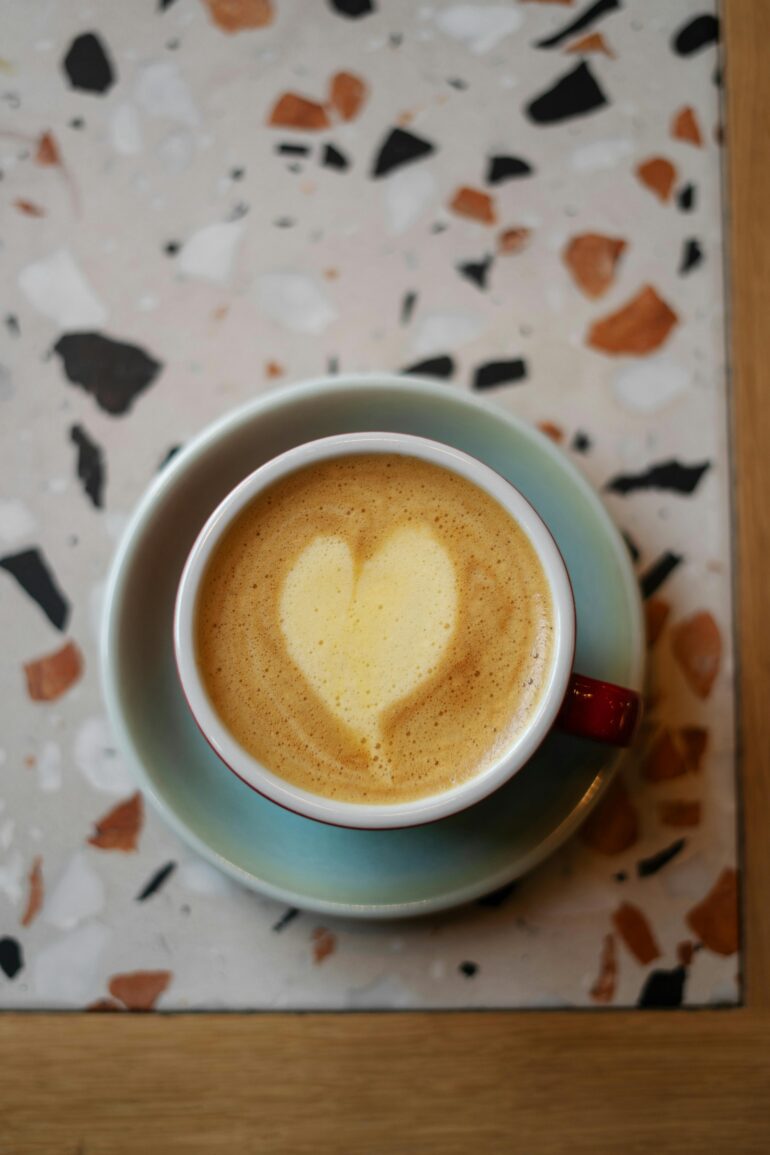
For decades, on the mention of coffee, immediately brought to mind the rolling hills of Brazil or the highlands of Colombia. But as of February 2026, the global coffee map has a new contestant.
Following the 22nd African Fine Coffees Association (AFCA) conference in Addis Ababa, the results are official: Tanzania has been ranked as the top performer of high-quality, sustainable coffee in Africa. Even more impressive? Tanzania has broken into the global “Top Four,” standing shoulder-to-shoulder with industry giants like Brazil, Peru, and Mexico.
The Rise of a Specialty Powerhouse
This isn’t just a win for volume; it’s a win for quality and conscience. The Intercontinental Coffee Exchange (ICE) recently highlighted that Tanzania’s ranking is specifically tied to “environmentally sustainable certified coffee.” In an era where drinkers want to know that their morning brew didn’t contribute to deforestation, Tanzania is leading the charge.
The numbers tell a story of explosive growth:
Production Doubled: In just one year, Tanzania’s output surged from 50,000 tonnes to 100,000 tonnes.
Experimental Excellence: Arusha’s Finagro Plantation took 2nd place globally in the “Experimental Coffee” category.
Washed Arabica Pride: The Mara Coffee Farmers’ Cooperative Society (Wamacu) secured 3rd place globally for their Washed Arabica.

More Than Just Beans: The Barista Factor
For the first time, Tanzania didn’t just send beans to the international stage they sent talent.
In the AFCA 2026 Barista Competition, two Tanzanian representatives outperformed competitors from across the continent to land in the Top Eight. This signals a shift in the country’s coffee culture, moving from being a raw exporter to a hub of coffee craftsmanship and talent.
 Where Can You Find It?
While Europe has traditionally been the primary destination for Tanzanian beans, the market is shifting. With European markets nearing saturation, the Tanzania Coffee Board (TCB) is setting its sights on new horizons.
Expect to see Tanzanian specialty labels appearing more frequently in:
On specialty roaster menus, high-end cafes, and international retail markets, particularly in the EU, Japan, and the U.S.
The Secret to the Success
According to Frank Nyarusi, the TCB Director of Marketing and Quality, this wasn’t an accident. It is the result of a deliberate strategy to support every farmer from the moment they put a seed in the ground to the final harvest. By focusing on “certified quality” that respects the environment, Tanzania has carved out a niche that is both profitable and specailty bean.
The Bottom Line: Whether you are a casual drinker or a coffee connoisseur, it’s time to fill your grinder with Tanzanian beans. The world has officially noticed what the locals have known for years: Tanzanian coffee isn’t just a drink; it’s a global gold standard.
Follow the journey of Tanzania’s coffee revolution and stay updated on the latest travel news right here.