
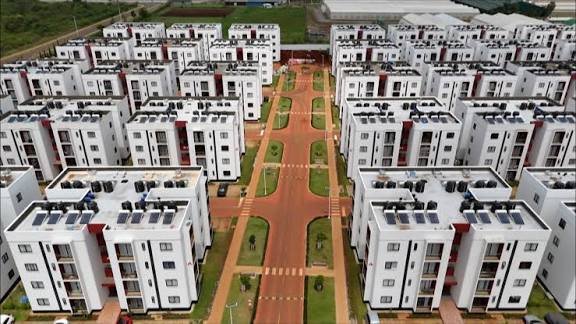

Tatu City developers have designated 100 acres of the mixed-use project for a wildlife sanctuary, integrating conservation efforts with residential and industrial zones in Ruiru.
The developers of Tatu City have confirmed plans to set aside a significant portion of the private municipality for the creation of a wildlife sanctuary. This move marks an expansion of the project’s environmental footprint within the 5,000-acre special economic zone located in Ruiru, Kiambu County. The sanctuary is expected to occupy 100 acres, a space that was previously part of the broader mixed-use layout but is now earmarked for conservation purposes.
According to details from the project management, the sanctuary will be established in collaboration with the Kenya Wildlife Service. This partnership is intended to ensure that the area is managed according to national conservation standards while remaining integrated into the urban fabric of the city. The sanctuary is planned to host various species of herbivores, providing a natural buffer zone within a region that has seen rapid industrial and residential growth over the last decade.
Rendeavour, the owner and developer behind Tatu City, has historically focused on industrial parks, logistics hubs, and high-density housing. However, the inclusion of a dedicated wildlife zone indicates a shift toward enhancing the recreational and environmental appeal of the satellite city. The management noted that the sanctuary will be accessible to both residents and visitors, functioning as a green lung for the thousands of people who now live and work within the development’s boundaries.
The 100-acre site is currently undergoing preliminary preparations to ensure the habitat is suitable for the intended wildlife. This includes securing the perimeter and establishing necessary infrastructure for animal welfare and visitor safety. The Kenya Wildlife Service will play a primary role in the translocation of animals to the site and the ongoing monitoring of their health and population. This collaboration is part of a broader trend where private developers in Kenya are increasingly incorporating ecological preserves into large-scale real estate projects.
In addition to the wildlife sanctuary, Tatu City already maintains several hundred acres of green space, including parks and forest trails. The developer stated that the goal is to balance the concrete requirements of a special economic zone with the preservation of local biodiversity. The area around Ruiru was formerly dominated by coffee plantations, and the introduction of a controlled wildlife environment represents a significant change in land use for the corridor.
Funding for the sanctuary and its maintenance will be handled through the city’s management framework. The developers have not released a specific timeline for when the first animals will be introduced to the site, but they indicated that work on the ground is moving forward in line with the revised masterplan. The sanctuary will also serve as a site for environmental education, targeting the schools and institutions already established within the city.
The Tatu City project remains one of the largest private sector urban developments in East Africa. As it continues to fill out its 5,000-acre footprint, the integration of 100 acres for wildlife represents a commitment to a low-density ecological zone amidst high-value real estate. This move reflects a growing awareness in the construction and planning sectors regarding the long-term value of natural amenities in maintaining property demand and resident satisfaction.