
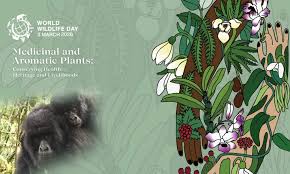
World Wildlife Day 2026: Medicinal and Aromatic Plants Conserving Health, Heritage and Livelihoods in Uganda’s Gorilla Forests World Wildlife Day 2026, under the United Nations theme “Medicinal and Aromatic Plants: Conserving Health, Heritage and Livelihoods,” draws global attention to the vital role plant biodiversity plays in sustaining both ecosystems and human wellbeing.
In Uganda, this theme resonates strongly within the country’s protected gorilla landscapes. Conservation efforts in Bwindi Impenetrable National Park and Mgahinga Gorilla National Park demonstrate that safeguarding mountain gorillas also secures the forests that function as living pharmacies, cultural archives, and economic safety nets for surrounding communities. This is not a separate conservation story. Gorilla protection and plant preservation operate within the same ecological framework.
Happy World Wildlife Day 2026 to you all!!!
The Importance of Medicinal and Aromatic Plants Medicinal and aromatic plants form the backbone of traditional healthcare systems across Africa. In many rural regions of Uganda, forest-derived remedies treat common illnesses such as respiratory infections, digestive disorders, skin conditions, inflammation, and fevers. These plants provide affordable, accessible healthcare options where modern medical infrastructure may be limited. Beyond direct health benefits, aromatic plants contribute to cultural practices, spiritual traditions, and natural wellness industries. Their conservation protects both biological diversity and centuries of indigenous knowledge. When forests disappear, these resources vanish with them, along with the cultural memory attached to their use.
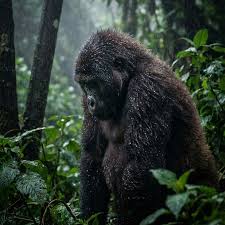
Bwindi Impenetrable National Park: Biodiversity Beyond Gorillas Bwindi Impenetrable National Park is globally recognized for its population of endangered mountain gorillas, yet its ecological value extends far beyond primate conservation. Situated within the Albertine Rift, Bwindi is one of Africa’s most biologically diverse forests, containing over a thousand plant species. Many of these are endemic, meaning they occur nowhere else on Earth. The forest’s dense canopy, varied altitudes, and constant moisture create ideal conditions for medicinal plant growth. Local communities historically relied on specific barks, roots, leaves, and shrubs for healing purposes. Modern conservation policies restrict destructive harvesting while promoting regulated, sustainable access. In doing so, Bwindi protects both flagship wildlife and the botanical wealth that supports community health and resilience.
Mgahinga Gorilla National Park: Volcanic Slopes and Plant Heritage Mgahinga Gorilla National Park lies within the Virunga volcanic range and features bamboo forests, montane woodlands, and afro-alpine vegetation. These ecosystems host unique high-altitude plant species adapted to volcanic soils and cooler climates. Many of these plants carry medicinal properties recognized by local communities for generations. The cultural history of the Batwa people is closely linked to this forest environment. Their knowledge of medicinal and aromatic plants reflects a deep understanding of ecological balance. Today, conservation programs aim to preserve this cultural heritage while ensuring that plant resources remain intact for future generations. Protecting Mgahinga’s habitat safeguards not only gorillas but also traditional botanical knowledge systems. Gorilla Conservation as Ecosystem Conservation Mountain gorillas depend directly on plant diversity for survival. Their diet consists of leaves, stems, shoots, and bark from numerous forest species. A healthy gorilla population signals a healthy forest ecosystem. Conservation investments driven by gorilla tourism fund anti-poaching patrols, habitat monitoring, ecological research, and community outreach initiatives. These measures preserve entire forest systems rather than isolated species.
By maintaining intact habitats, Uganda’s conservation framework ensures medicinal plant communities continue to thrive. Gorilla-focused tourism indirectly finances plant protection, illustrating how flagship species conservation can generate broad ecological benefits. Health, Heritage, and Livelihoods in Action The World Wildlife Day 2026 theme emphasizes three interconnected pillars. Health is supported through continued access to natural remedies derived from protected forests. Heritage survives when indigenous plant knowledge remains relevant and practiced. Livelihoods strengthen when communities benefit economically from sustainable tourism rather than exploitative resource extraction. In southwestern Uganda, revenue from gorilla trekking supports employment opportunities, community infrastructure, and conservation education. When local residents see tangible benefits from preserving forests, pressure to overharvest medicinal plants declines. This balanced model aligns biodiversity protection with human development goals.
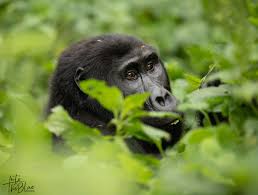
Global Significance of Local Conservation Efforts Bwindi and Mgahinga represent more than national parks. They serve as global examples of integrated conservation strategies that protect biodiversity, cultural heritage, and economic stability simultaneously. The protection of medicinal and aromatic plants contributes to broader scientific research, potential pharmaceutical discoveries, and climate resilience efforts. World Wildlife Day 2026 calls for recognition that plant conservation is foundational to environmental sustainability. Without forests, there are no gorillas. Without plant diversity, there are no functioning ecosystems. Without ecosystems, human wellbeing declines. Walk the Forest. Plant the Future. As the world marks World Wildlife Day 2026 under the theme of conserving medicinal and aromatic plants, Uganda’s gorilla landscapes offer more than inspiration. They offer participation. In Bwindi Impenetrable National Park and Mgahinga Gorilla National Park, every gorilla trekking permit contributes directly to protecting forests that function as living pharmacies, cultural archives, and biodiversity strongholds.
Booking a gorilla experience is not simply a wildlife encounter. It is an investment in ecosystem protection. Tourism revenue strengthens ranger patrols, habitat restoration, research on plant species, and community conservation programs that reduce pressure on fragile forests. When you walk through these mist-covered landscapes and observe mountain gorillas in their natural habitat, you actively support the preservation of medicinal and aromatic plants that sustain rural health systems and traditional knowledge. These forests are more than primate habitats. They are reservoirs of healing plants, climate regulators, and sources of sustainable livelihoods. Visiting responsibly deepens your connection to this conservation story, but the commitment should not end at the forest edge. Supporting reforestation initiatives, planting indigenous trees, and advocating for botanical conservation across Africa extends the impact beyond a single journey.
Protecting gorillas protects forests. Protecting forests protects medicinal plants. Protecting medicinal plants protects communities. By choosing to travel with purpose and contribute to tree-planting and habitat restoration efforts, you become part of a long-term solution one that secures Africa’s ecological foundation for generations to come.
Read More About Medicinal and Aromatic Plants: Conserving Health, Heritage and Livelihoods. At World Wildlife Day.