
There is a particular kind of anxiety that settles over a continent when the roads go quiet. Not the quiet of a public holiday, but the silence that comes when fuel runs short, buses stop mid-route, and the cost of travel becomes a calculation most people cannot make.
That silence has been creeping across Africa since February 28, when the war in the Middle East began and the Strait of Hormuz, through which a fifth of the world’s oil passes in peacetime, effectively closed.
But in Lagos, one man says he has the capacity to hold it back.
Running at the Limit
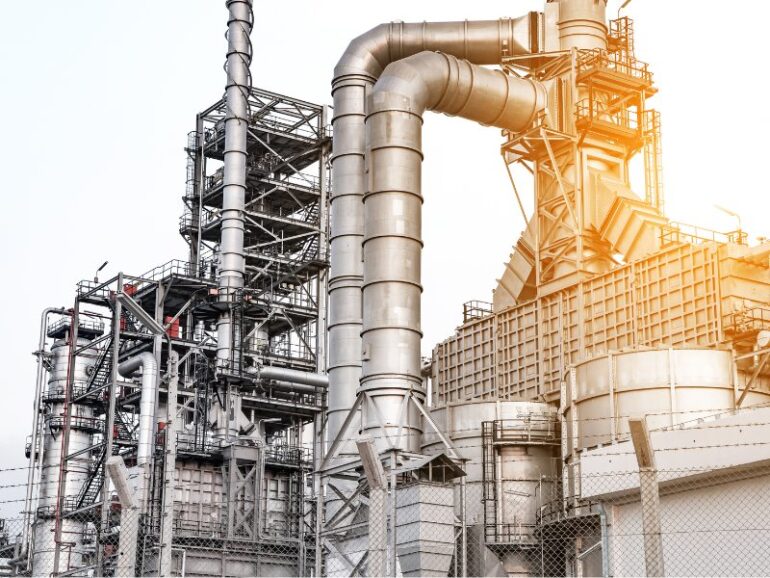
Aliko Dangote confirmed this week that his refinery is operating at its maximum capacity of 650,000 barrels per day and has already shipped 17 cargoes of petrol to other African nations in response to the global supply disruption.
What I can do is assure Nigerians and most of West Africa, Central Africa, and East Africa, we have the capacity to supply them,he said during a refinery tour, in remarks reported by Reuters.
For decades, Africa, despite sitting on vast crude reserves, has imported most of its refined petroleum from Europe and the Middle East. That dependency has always left the continent exposed. The Dangote refinery, Africa’s largest by capacity, was built to change that. Its moment has arrived.
What This Means for Travelers
The consequences are showing up across East and West Africa in airline surcharges, rising bus fares, and tighter travel budgets.
Dangote acknowledged that even maximum refinery output has not been enough to offset high crude prices domestically, where Nigeria’s pump prices have hit record highs. Brent crude was trading at $109.13 a barrel on Monday, with WTI at $112.31.
The refinery is also scaling up urea fertiliser exports to African buyers, with capacity to produce up to three million metric tons annually, as buyers seek alternatives to disrupted Middle Eastern supply.
For the first time, an African-owned, African-built refinery is functioning as a genuine continental backstop in a global energy crisis. Not just a domestic asset, but a regional one.
It will not solve the crisis. The Strait of Hormuz remains contested and fuel prices will likely stay elevated through at least mid-2026. But it changes the story from one of pure vulnerability to one where Africa has, at least in part, its own answer.
For travelers, the advice is simple: book early and budget for higher costs. The road ahead is more expensive, but it is still open.