
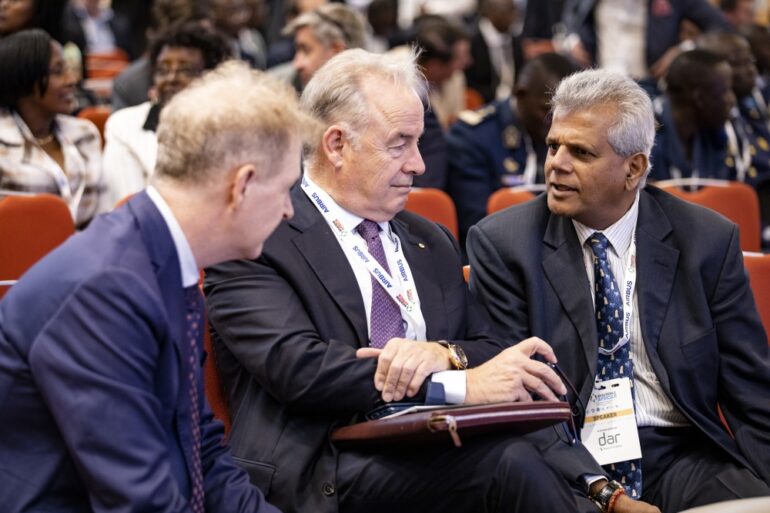
Rwanda’s Meetings, Incentives, Conferences and Exhibitions (MICE) sector generated $94.7 million (approx. Rwf138.8bn) in 2025, according to the Rwanda Development Board (RDB).
This marks an 11.8 per cent increase from the previous year. MICE events contributed to $685 million (approx. Rwf1 trillion) tourism revenues recorded in the same.
The growth, highlighted in the RDB annual report released on Tuesday, April 28, was driven by a rise in international events hosted in Rwanda and increased delegate arrivals, further cementing Rwanda’s position as a regional hub for global conferences and exhibitions.
In 2025, the country hosted 165 international and regional events, attracting 61,888 delegates, a 17.3 per cent increase compared to the previous year.
Among the major events hosted in 2025 were Mobile World Congress Kigali, MOVE Afrika by Global Citizen, Giants of Africa Festival, Basketball Africa League (BAL), Africa HealthTech Summit, Africa Renaissance Retreat, PMI Global Summit Series Africa, Africa Federation of Institutes of Internal Auditors Conference, and the 4th Global NCD Alliance Forum.
A key highlight was Rwanda hosting the UCI Road World Championships, marking the first time the cycling race was held on the African continent, which boosted the country’s global sports tourism profile.
Officials attribute the performance to enabling policies and infrastructure, including Rwanda’s visa-on-arrival system, strong security environment, reliable transport networks, and internationally recognised conference facilities. The report notes that these factors continue to enhance the country’s competitiveness in the global events market.
Key venues that hosted the events include Kigali Convention Centre (KCC), BK Arena, Kigali Convention and Exhibition Village (KCEV).
Revenues from the MICE subsector are projected to growth to $156 million in 2026 and $187 million in 2027. The government has a target to reach to $224 million (about Rwf325 billion) from MICE events by 2028, as part of broader efforts to strengthen tourism as a key driver of economic growth.
Under the Second National Strategy for Transformation (NST2), running from 2024 to 2029, the government is prioritising the attraction of major international conferences, exhibitions, and sporting events.
The strategy also focuses on improving service quality through professionalisation programmes, enhanced standards, and certification initiatives aimed at increasing visitor spending and overall sector competitiveness.