
This comes as government moves to curb driver fatigue blamed for a string of fatal crashes on Uganda’s highways.
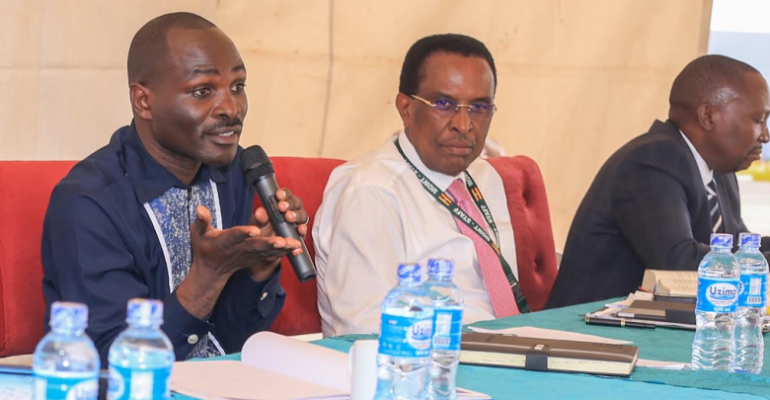
The Ministry of Works and Transport announced the immediate measures following a meeting with bus operators and the Uganda Police Force at the Ministry headquarters in Kampala on Monday.
“For long distance routes of more than 300 Kms, a driver who completes a journey must be replaced for the return journey. The same driver should NOT drive back on the same route,” the Ministry announced.
For shorter routes of less than 300 kilometres, a driver may complete a return trip — driving to the destination and back once — but must then stop for the day. A third leg on the same route within the same day is now prohibited.
“For short-distance routes of less than 300Kms, a driver is allowed to drive to the destination and return once. After returning to where the journey started, that driver must stop for the day. The driver cannot undertake a third leg on the same day,” the directive reads.
Minister Fred Byamukama directed that all buses must display driver identification badges inside the vehicle, so that passengers and enforcement officers can identify who is behind the wheel at any given time.
This is aimed at closing a gap that has made it difficult to hold specific drivers accountable after crashes involving unofficial or unlicensed substitute drivers.
The directive comes amid rising road crashes. Uganda recorded 26,044 road crashes in 2025, up from 25,107 the previous year, with 4,602 of them fatal and more than 5,300 lives lost, according to the Uganda Police annual crime report.
Advocacy groups put the toll even higher, estimating that road crashes now kill an average of 14 to 15 people a day nationwide.
Fatigue has repeatedly surfaced as a factor police are unable to ignore. In its recent road safety advisory, the Directorate of Traffic and Road Safety described fatigue as a silent killer on Uganda’s roads, warning that a fatigued driver has reduced concentration, slower reaction times and a higher risk of losing control of the vehicle.
The new bus rules also follow a run of high-casualty incidents that have kept transport safety in the headlines through July and August. A rollover involving a school bus returning from Sipi Falls in Kapchorwa District killed 20 pupils and one adult, one of several school transport tragedies that prompted the Works and Transport Ministry’s Commissioner for Transport Regulation and Safety, Winstone Katushabe, to warn that unroadworthy vehicles, overcrowding and inadequate safety features continue to expose learners to danger.
The 300-kilometre threshold effectively targets Uganda’s busiest long-haul corridors — routes linking Kampala to the west, north and east of the country — where a single driver has historically been expected to complete both legs of a journey often spanning eight hours or more each way.
By forcing operators to swap drivers before the return leg, the Ministry is attempting to break a scheduling model that has long prioritised turnaround speed over rest.