
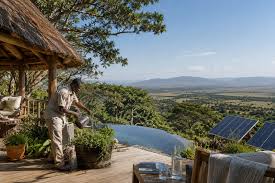
East Africa is rewriting the rules of high-end travel. The new thesis is clear: true indulgence now means pristine nature and quiet preservation. This shifts the focus toward sustainable hospitality in Africa models that respect local ecosystems.
The fast-growing tourism market across regional capitals puts immense pressure on critical local infrastructure. Many traditional premium resorts generate unsustainable volumes of solid waste and plastic pollution daily. In turn, this luxury boom frequently strains vital regional water tables in surrounding host communities. Because of this, forward-thinking operators are urgently moving toward authentic eco-luxury models.
Modern travelers seek deep connections with the environment. Beautiful lodges blend raw elegance with strict ecological balance. These spaces offer exceptional comfort without leaving a heavy footprint behind. They prove that top-tier indulgence can actively heal the planet.
True Eco-Travel is Comfortable
Many people believe eco-friendly stays require sacrificing comfort. They expect basic setups or limited resources. Modern luxury lodges shatter this outdated view completely. The point is simple: they deliver flawless premium experiences powered entirely by smart, sustainable architecture.
Boutique resorts feature magnificent solar-powered suites. In addition, organic farms supply fresh ingredients directly to kitchens every morning. Waste becomes a rich resource instead of a burden. This is high-end living built on a deep, transparent conscience.
Guests wake up to peaceful birdsong rather than the roar of generators. They enjoy hot outdoor showers warmed directly by clean solar energy. Meanwhile, beautiful architecture uses local stone, native wood, and clay colors. These spaces feel entirely alive rather than staged.
How Zero-Waste Tourism Works
True sustainability requires big operational changes. The main operational shift is clear: properties must look beyond simple lobby recycling bins. They integrate circular economy frameworks into daily guest operations. These models are changing the landscape of Hospitality & Tourism across major markets. Leading properties address resource management aggressively. They harvest rainwater and install advanced greywater filtration networks. Research from the World Bank shows that global municipal solid waste will increase by 70% by 2050 if left unchecked.
To combat this, organic kitchen scraps are fed to innovative black soldier fly facilities. This specialized process turns food waste into nutrient-rich agricultural fertilizers. As a result, data shows that reforming the waste sector can reduce global methane emissions by 13%.
Furthermore, waste segregation and organic composting can lower landfill methane emissions by 62%. Properties also form smart partnerships to address plastic pollution. In addition, non-recyclable elements find new life as durable building materials.
Water management is another primary focus area. The UN Environmental Program notes that tourism accounts for up to 10% of global water use. Accordingly, zero-waste villas clean and reuse water for lush landscaping. This keeps local underground water tables perfectly safe.
New Trends for Green Stays
The latest data highlights clear shifts in guest behavior. The message is direct: conscious international travelers demand verifiable environmental standards. Recent travel studies indicate that 76% of global travelers desire more sustainable travel options. Corporate safari groups select properties based on strict carbon metrics. These market trends are redefining how brands design new lodges.
The social pillar of sustainability is equally critical now. True green stays must directly benefit their surrounding host communities. This means ensuring fair local wages and sourcing local building supplies. In this way, responsible hospitality protects both the wilderness and its human guardians.
Data show that green properties achieve higher long-term asset values. The core takeaway is simple: luxury is no longer about separating guests from the wild. True luxury means alignment with the wilderness. International studies confirm that ESG-aligned hotels achieve up to a 10% higher occupancy rate than standard resorts. Travelers happily pay premium rates for verified ecological stewardship.
Quick Tips for Hotel Owners
Transforming a premium property requires clear operational steps for owners. Operators can implement these effective strategies easily: Switch completely to modular solar energy microgrids.
- Eliminate all single-use plastics from guest areas.
- Install smart water meters to catch internal pipeline leaks.
- Partner with regional conservation groups to protect nearby coral reefs.
- Build local supply chains for all fresh food procurement.
- Train local youth for high-paying leadership roles in hospitality.
- Set up on-site composting for all organic buffet waste.
These simple measures significantly lower long-term overhead costs. The broader point is clear: sustainability strengthens both performance and brand equity. Hospitality indexes show that energy-efficient hotel upgrades yield a 30% reduction in utility expenses, further strengthening brand equity among premium eco-conscious demographics. Implementing these shifts secures your place in the future of Hospitality & Tourism.
The trajectory of sustainable hospitality in Africa points toward total circularity. Properties that ignore their ecological footprint risk losing market relevance quickly. Authentic stewardship ensures environmental safety and strong business growth.